
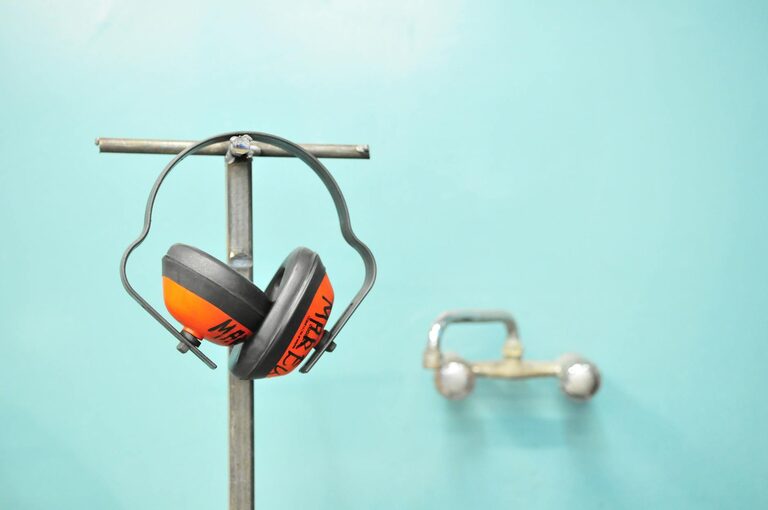
Creating a calm and quiet environment at home can greatly enhance your comfort, concentration, and overall well-being. Whether you live in a busy city, a bustling neighborhood, or simply want to reduce noise from inside your own house, there are several practical steps you can take. This post explores simple, cost-effective ways to reduce noise at home without major renovations.
Understanding the Sources of Noise
Before diving into solutions, it’s helpful to identify where noise usually comes from. Common noise sources include:
– External sounds like traffic, construction, or neighbors
– Indoor noises such as conversations, pets, appliances, or footsteps
– Echo and sound reflection inside rooms
Knowing what types of noise you want to reduce will help you choose the most effective methods.
1. Use Soft Furnishings to Absorb Sound
Hard surfaces like tile, glass, and bare walls tend to reflect noise, which can make rooms louder. Adding soft materials can absorb sound and reduce echo.
– Area Rugs and Carpets: Place rugs on hard floors to soften footsteps and minimize noise transmission.
– Curtains and Drapes: Thick curtains not only block light but also absorb sound, particularly when made from heavy or layered fabrics.
– Upholstered Furniture: Chairs and sofas with fabric upholstery help soak up ambient noise.
– Cushions and Throws: These can act as additional sound absorbers and add comfort.
2. Seal Gaps and Cracks
Noise often sneaks in through tiny gaps around windows, doors, and walls. Sealing these openings can significantly reduce unwanted sounds.
– Weather Stripping: Apply to door frames and window edges to prevent sound leaks.
– Door Sweeps: Install at the bottom of doors to seal gaps between the floor and door.
– Acoustic Caulk: Use for sealing cracks in walls or around window frames.
– Draft Stoppers: Placing these at the base of doors is an easy fix to block noise.
3. Soundproof Windows
Windows can be a major entry point for outside noise. Consider these options to make windows more sound resistant:
– Double or Triple Glazing: These window types have multiple panes separated by air or gas that reduce sound transmission.
– Window Inserts: Removable acrylic or glass inserts can improve sound insulation without replacing the entire window.
– Heavy Curtains: Using curtain liners or blackout curtains adds mass and blocks noise.
– Seal Window Frames: Ensure frames are properly insulated and gaps are sealed.
4. Rearrange Furniture Strategically
Placing furniture thoughtfully can help lessen noise levels and block sound paths.
– Bookshelves Against Walls: Filling walls shared with noisy neighbors or busy streets with packed bookshelves adds a sound barrier.
– Sofas and Chairs: Position seating away from noisy windows or walls.
– Plants: Large potted plants can absorb noise and add greenery to your space.
5. Add Decorative Sound Absorbers
You don’t need to choose between style and soundproofing—there are decorative options that serve both purposes.
– Wall Hangings: Fabric wall art, tapestries, or quilted panels can reduce echo.
– Acoustic Panels: Designed for sound absorption, some come in attractive designs or colors that blend with your décor.
– Ceiling Baffles: Suspended acoustic panels improve sound control in rooms with high ceilings.
6. Use White Noise or Sound Machines
Sometimes, the goal isn’t just to block noise but to mask it with more pleasant sounds.
– White Noise Machines: These generate soothing, consistent sounds that help cover unpredictable background noise.
– Fans or Humidifiers: Their steady noise can also act as sound masks.
– Apps: Smartphone apps offer customizable soundscapes like rain or ocean waves.
7. Maintain Appliances and Flooring
Noisy appliances or flooring can add to home noise levels. Regular maintenance and upgrades help minimize sounds.
– Appliance Pads: Place under washing machines or dishwashers to reduce vibration noise.
– Floor Underlays: Adding soundproof underlays below laminate or wood flooring lowers footfall noise.
– Quiet Appliances: If possible, invest in models designed to operate quietly.
Final Thoughts
Reducing noise at home doesn’t have to be complicated or expensive. Small changes like using rugs, sealing gaps, rearranging furniture, and adding soft furnishings can make a noticeable difference in creating a peaceful haven. Experiment with different solutions based on your noise sources and personal preferences. Over time, a quieter home will support better sleep, focus, and relaxation.
Feel free to try a few tips and share what worked best for you in the comments below!
