
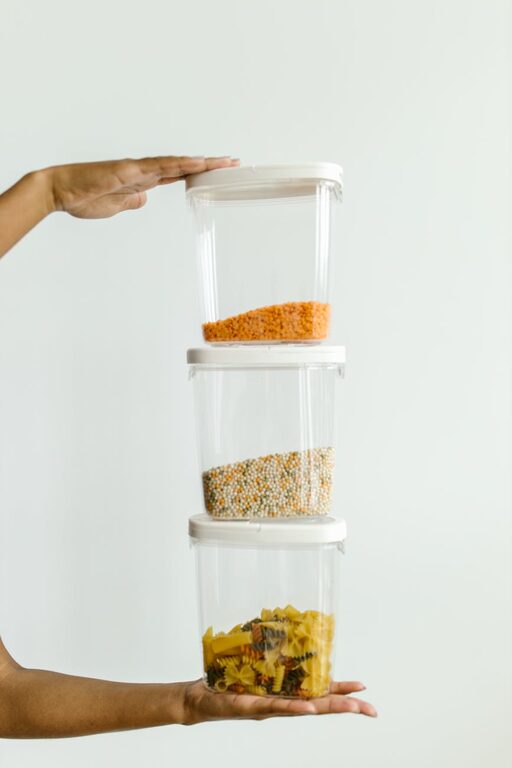
Planning meals using pantry staples is a smart way to save money, reduce food waste, and simplify cooking. Whether you’re stocking up during a grocery run or just trying to make the most of what you already have, having a strategy can help turn basic ingredients into satisfying dishes. In this post, we’ll explore how to plan meals from pantry staples with practical tips, recipe ideas, and organizational strategies.
Why Plan Meals from Pantry Staples?
Pantry staples are the backbone of many meals. These ingredients tend to have a long shelf life and can serve as the base or complement in countless recipes. Some benefits of planning meals around pantry staples include:
– Cost savings: Using what you have reduces impulse buys and frequent grocery runs.
– Convenience: Quick meals are easier when you rely on familiar staples.
– Less waste: Planning helps you use ingredients before they expire.
– Flexibility: Pantry staples can adapt to various cuisines and flavors.
Common Pantry Staples to Have on Hand
Before you start meal planning, it helps to know which items to stock. A well-stocked pantry usually includes:
– Grains: rice, pasta, quinoa, oats
– Canned goods: beans, tomatoes, vegetables, broth
– Baking essentials: flour, sugar, baking powder, cornstarch
– Oils and vinegars: olive oil, vegetable oil, apple cider vinegar
– Spices and seasonings: salt, pepper, garlic powder, dried herbs, chili flakes
– Nut butters and sauces: peanut butter, soy sauce, mustard
– Other basics: canned tuna, nuts, dried fruit
Having these staples ready will give you a great foundation to build diverse meals.
Step 1: Take Inventory of Your Pantry
Start by checking what you already have. Empty your pantry shelves or glance through them, noting down the quantities and expiration dates. This helps you:
– Avoid buying duplicates.
– Identify what needs to be used soon.
– Spot missing essentials you might want to restock.
You can keep a running list on your phone or a clipboard to update regularly.
Step 2: Choose Your Meal Types
Think about the kinds of meals you want to prepare. Do you prefer soups, salads, casseroles, pastas, or stir-fries? Knowing your preferred types streamlines your planning.
For example:
– Breakfasts: oatmeal with dried fruit, pancakes, or toast with nut butter.
– Lunches: bean salad, pasta with tomato sauce, or rice bowls.
– Dinners: chili, curry, or roasted vegetable dishes.
Brainstorm simple recipes you can make with your staples.
Step 3: Plan Balanced Meals
Try to include a mix of protein, carbohydrates, and vegetables in your meals. While pantry staples provide many of these components, you might supplement with fresh or frozen vegetables.
Examples:
– Pair canned beans (protein) with rice (carb) and steamed frozen vegetables.
– Use pasta (carb) with canned tuna (protein) and a tomato-based sauce.
– Make a hearty soup with broth, canned tomatoes, lentils, and spices.
Step 4: Build Your Meal Plan
Using your inventory and meal preferences, draft a weekly plan. Start by:
– Listing meals for each day.
– Checking that required pantry items are available.
– Adding fresh items on your shopping list as needed (like vegetables or bread).
Keep your plan flexible to accommodate spontaneous changes or unexpected ingredients.
Step 5: Get Creative with Recipes
Pantry staples are versatile. Here are some recipe ideas:
1. Chickpea Curry
– Canned chickpeas
– Canned tomatoes
– Coconut milk (optional)
– Spices: curry powder, garlic, ginger
– Serve with rice
2. Pasta with Tomato Sauce and Beans
– Pasta
– Canned tomato sauce
– Canned white beans
– Olive oil and garlic
– Sprinkle with dried herbs
3. Lentil Soup
– Lentils
– Vegetable broth
– Canned carrots or mixed vegetables
– Onion and seasoning
4. Rice and Bean Bowl
– Cooked rice
– Canned black beans
– Salsa or canned diced tomatoes
– Corn (fresh or canned)
– Top with cheese or sour cream if available
Step 6: Organize Your Pantry for Easy Access
Good organization helps you plan better and cook faster:
– Group similar items together (cans, grains, baking supplies).
– Label shelves or containers.
– Keep staples at eye level.
– Use clear jars for grains and legumes.
An organized pantry prevents forgotten ingredients and encourages creativity.
Tips for Success
– Rotate stock: Use older items first.
– Keep it simple: Use basic recipes and build flavor with spices.
– Batch cook: Prepare larger meals and freeze portions.
– Mix and match: Use the same ingredients in different ways to avoid monotony.
– Stay flexible: Adjust plans depending on availability and preferences.
Conclusion
Planning meals from pantry staples is both practical and enjoyable. It encourages you to think creatively, save money, and reduce waste while still enjoying delicious food. With a well-stocked and organized pantry, taking inventory, choosing meal types, and planning balanced meals become simple steps toward better eating habits. Give it a try, and you might be surprised how many tasty meals you can whip up without a big grocery run!
Happy cooking!
