
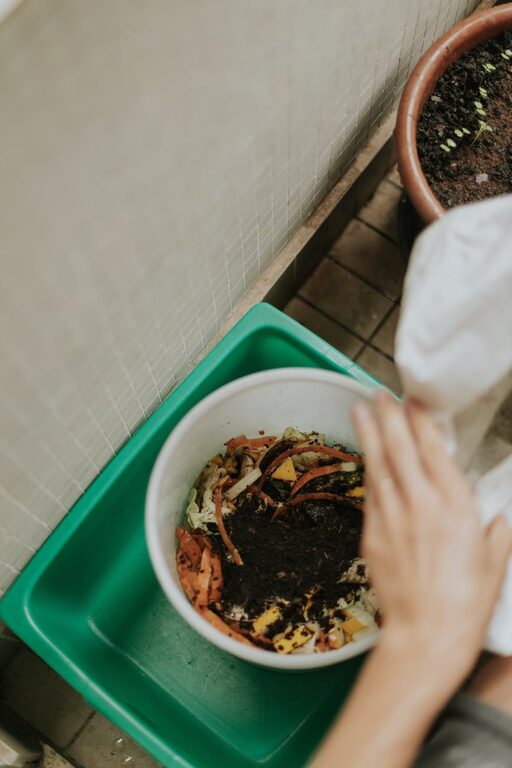
Composting at home is a rewarding way to reduce waste, enrich your garden soil, and contribute to a healthier environment. If you’re new to composting, it might seem a bit intimidating at first, but with some simple tips and a little patience, you can have a thriving compost pile or bin that transforms your kitchen scraps and yard waste into nutrient-rich humus.
In this guide, we’ll cover beginner-friendly advice to help you start composting at home effectively.
Why Compost at Home?
Before diving into the how, it’s helpful to understand why composting is valuable:
– Reduces waste sent to landfills: Organic materials make up a large portion of household waste. Composting diverts these from the trash.
– Improves soil health: Compost adds nutrients and improves soil structure, helping plants grow stronger.
– Supports sustainability: Composting lowers methane emissions from landfills and promotes a natural recycling process.
What You Need to Start Composting
Starting composting at home doesn’t require fancy equipment. Here’s what you’ll need:
Compost Bin or Pile
Choose a compost container that fits your available space and needs:
– Open pile: Simple to start if you have a backyard.
– Compost bin: Available in various sizes; helps keep pests away and maintains moisture and heat.
– Tumbler: A sealed container that can be rotated for faster mixing and decomposition.
Tools
Basic tools to get going include:
– A garden fork or shovel for turning compost.
– A watering can or hose to keep the pile moist.
– A kitchen pail to collect scraps before transferring them outside.
What to Compost: The Right Ingredients
Successful composting depends on balancing the right materials, often categorized as “greens” and “browns.”
– Greens (Nitrogen-rich):
– Fruit and vegetable scraps
– Coffee grounds and tea bags
– Fresh grass clippings
– Browns (Carbon-rich):
– Dry leaves
– Straw or hay
– Shredded paper and cardboard
– Wood chips and sawdust (in moderation)
Avoid These Items
Certain materials can attract pests or slow composting and should be excluded:
– Meat, dairy, and oily foods
– Diseased plants or weeds that have gone to seed
– Pet waste
– Large branches or wood chunks
Setting Up Your Compost Pile
Step 1: Location
Pick a spot that’s convenient and has good drainage—partial shade is ideal to maintain moisture without overheating.
Step 2: Build Your Base Layer
Start with a layer of coarse browns like small twigs or straw to encourage airflow at the bottom.
Step 3: Add Greens and Browns in Layers
Alternate layers of greens and browns to create balance. Aim for roughly three parts browns to one part greens.
Step 4: Keep It Moist
Your compost should feel like a wrung-out sponge—not too dry and not soaking wet.
Step 5: Turn the Pile
Every 1–2 weeks, use a garden fork to turn the compost. This aerates the pile, speeds decomposition, and reduces odor.
Troubleshooting Common Compost Problems
Bad Odor
Cause: Too much moisture or greens without enough browns.
Solution: Add dry browns and turn the pile to improve airflow.
Slow Decomposition
Cause: Pile too dry, too small, or lacking nitrogen.
Solution: Water the pile if dry, add more greens, and turn regularly.
Pests
Cause: Adding meat or dairy, or scraps exposed on top.
Solution: Bury food scraps under browns and use a closed bin or tumbler.
Harvesting Your Compost
After a few months (or longer in cooler conditions), your compost will turn into dark, crumbly soil with a pleasant earth smell. This indicates it’s ready to use. You can sift larger chunks and return any unbroken materials to the pile.
Use finished compost as:
– Mulch around plants
– Soil amendment mixed into garden beds
– Potting soil ingredient
Tips for Success
– Be patient. Composting takes time but slows or speeds up depending on how you manage it.
– Chop or shred materials to increase surface area and speed decomposition.
– Keep a small kitchen container handy to collect scraps daily.
– Avoid adding too many acidic items like citrus or onions in excess.
– Monitor moisture levels regularly; dry climate may require more watering.
Getting Your Whole Household Involved
Composting is easier and more fun when everyone participates. Teach family members what can be composted and encourage them to use the kitchen bin. Children especially enjoy seeing how food scraps transform into rich soil over time.
—
Starting composting at home is a simple step towards sustainability that benefits your garden, wallet, and the planet. With these beginner tips, you’re now ready to turn everyday scraps into garden gold!
Happy composting!
