
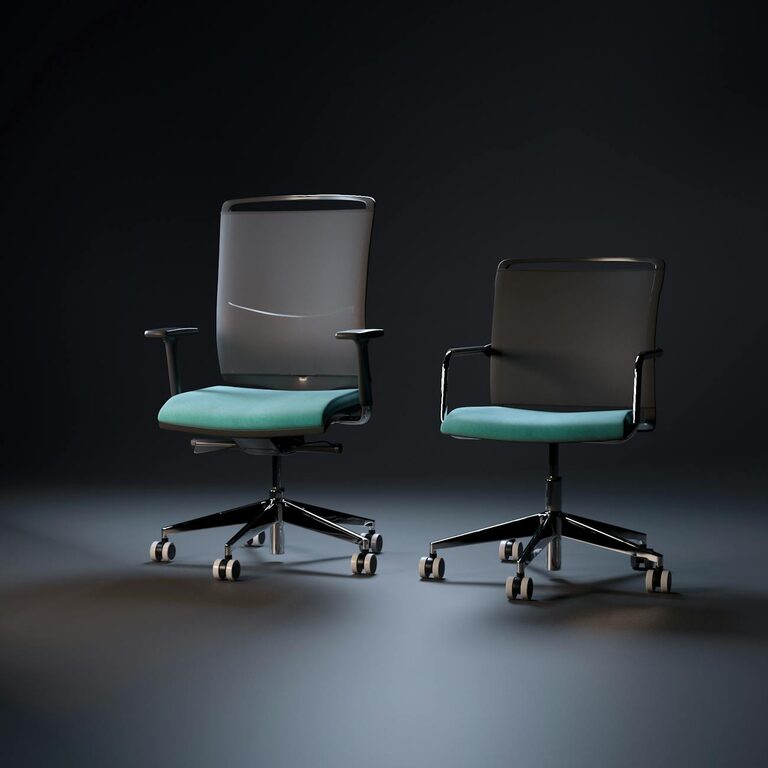
Creating a comfortable and supportive workspace is essential, especially if you spend long hours sitting at your desk. Choosing the right desk chair can make a significant difference in your comfort, health, and productivity. But with so many options available, how do you pick a chair that suits your needs? In this post, we’ll guide you through key factors to consider when choosing a comfortable desk chair.
Why a Good Desk Chair Matters
Sitting for extended periods can lead to discomfort, poor posture, and even back or neck pain. A well-designed desk chair provides proper support, encourages healthy posture, and helps reduce fatigue. This makes it easier to focus and work efficiently throughout the day.
Key Factors to Consider When Choosing a Comfortable Desk Chair
1. Ergonomic Design
Ergonomics focuses on designing furniture that fits the human body’s natural posture. An ergonomic chair supports the natural curves of your spine, reducing strain.
– Lumbar support: Look for chairs with adjustable lumbar support to maintain the natural inward curve of your lower back.
– Adjustable height: Being able to adjust the chair height so your feet rest flat on the ground helps improve circulation and posture.
– Adjustable armrests: Armrests that can move in height and width help reduce strain on your shoulders and wrists.
– Adjustable seat depth: This feature supports your thighs comfortably without cutting off circulation.
2. Comfort and Padding
Comfort plays a big role in a chair’s suitability.
– Seat cushion: Choose a seat with enough padding to be comfortable but firm enough to provide support for long periods.
– Breathable material: Chairs upholstered with breathable fabric or mesh promote airflow, preventing heat build-up during long sitting sessions.
– Backrest material: A mesh backrest can offer firm support with ventilation, while padded options provide softness.
3. Mobility and Stability
– Swivel function: A chair that swivels allows easy access to different areas of your desk without strain.
– Casters: Smooth-rolling casters suitable for your floor type ensure you can move around effortlessly.
– Stable base: Look for a chair with a sturdy five-point base to prevent tipping.
4. Size and Fit
When selecting a chair, consider your body size and workspace layout.
– Seat width: Make sure the seat is wide enough to sit comfortably.
– Backrest height: Taller backrests provide more support for the upper back and neck.
– Workspace clearance: Measure your desk’s height and clearance space to ensure the chair fits well underneath.
5. Adjustability and Customization
The best desk chairs offer multiple points of adjustment so you can tailor the fit to your preferences.
– Tilt and recline: The option to tilt the backrest or recline slightly can reduce pressure on your spine.
– Headrest: Some chairs come with adjustable headrests to support your neck.
– Weight capacity: Check the weight limits to make sure the chair can comfortably support you.
Testing a Chair Before Purchase
Whenever possible, try sitting in the chair for at least 10 to 15 minutes before buying. Test its adjustments, check for comfort, and see if it supports your posture correctly. If shopping online, look for retailers with good return policies.
Tips for Maintaining Comfort Long-Term
– Take regular breaks to stand and stretch.
– Adjust your chair as your posture or workspace changes.
– Keep your feet flat on the floor or use a footrest.
– Position your computer monitor at eye level to avoid leaning forward.
Popular Types of Desk Chairs
Here’s a quick overview of common chair styles you might consider:
– Task chairs: Lightweight and simple, often with basic adjustments. Ideal for shorter use.
– Ergonomic office chairs: Designed for extended use with multiple adjustment options.
– Executive chairs: Usually larger, with plush padding and comfort features.
– Kneeling chairs: Encourage an open hip angle; some find these helpful for posture but they have a learning curve.
– Gaming chairs: Often built with ergonomic features and extra padding, though styles vary.
Final Thoughts
Choosing a comfortable desk chair is an investment in your health and productivity. By focusing on ergonomic features, comfort, adjustability, and fit, you can find a chair that suits your needs and helps you work more comfortably. Remember to prioritize support and flexibility over style alone and don’t hesitate to test multiple chairs before deciding.
With the right chair, your workspace will become a place where you can work efficiently and comfortably every day. Happy chair hunting!
